
This is what happens in your brain when you learn a new language


¡Hola!
I'm Miss Rosa, and today I want to bring something that I find absolutely fascinating: what happens in your brain when you learn a new language?
Learning Spanish is both a linguistic adventure and a whole brain journey in itself 💞
This is a brief description of how our brain adapts and organizes itself to process a new language.
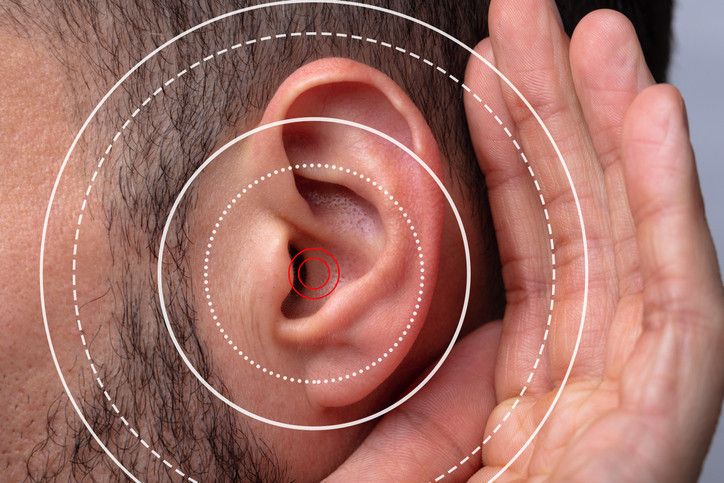
1.You will hear better (and faster)
When learning a new language, your brain adapts not only to produce words, but also to understand different sounds and accents.
Every time you hear a word in Spanish, your brain becomes more adept at identifying new sound patterns and rhythms. It's as if your ear is being trained, becoming more attuned with each conversation.
This is great when you encounter situations with native speakers who don't speak slowly or pronounce words “artificially” (as audiobooks or apps do).
Learning with a native speaker, like me, helps you hear and understand the language as it is spoken in real life, and your brain will thank you for it!
2. Improved decision-making and problem-solving
When you speak a foreign language, your brain has to make decisions constantly: Should I use the subjunctive or the indicative? Does this verb conjugate with “ser” or “estar”? Is this word used in this context?
These quick and frequent decisions improve your problem- solving skills, as your brain gets used to working with different ways of thinking and analyzing situations with greater flexibility.
3. Neuroplasticity: the brain as a sponge
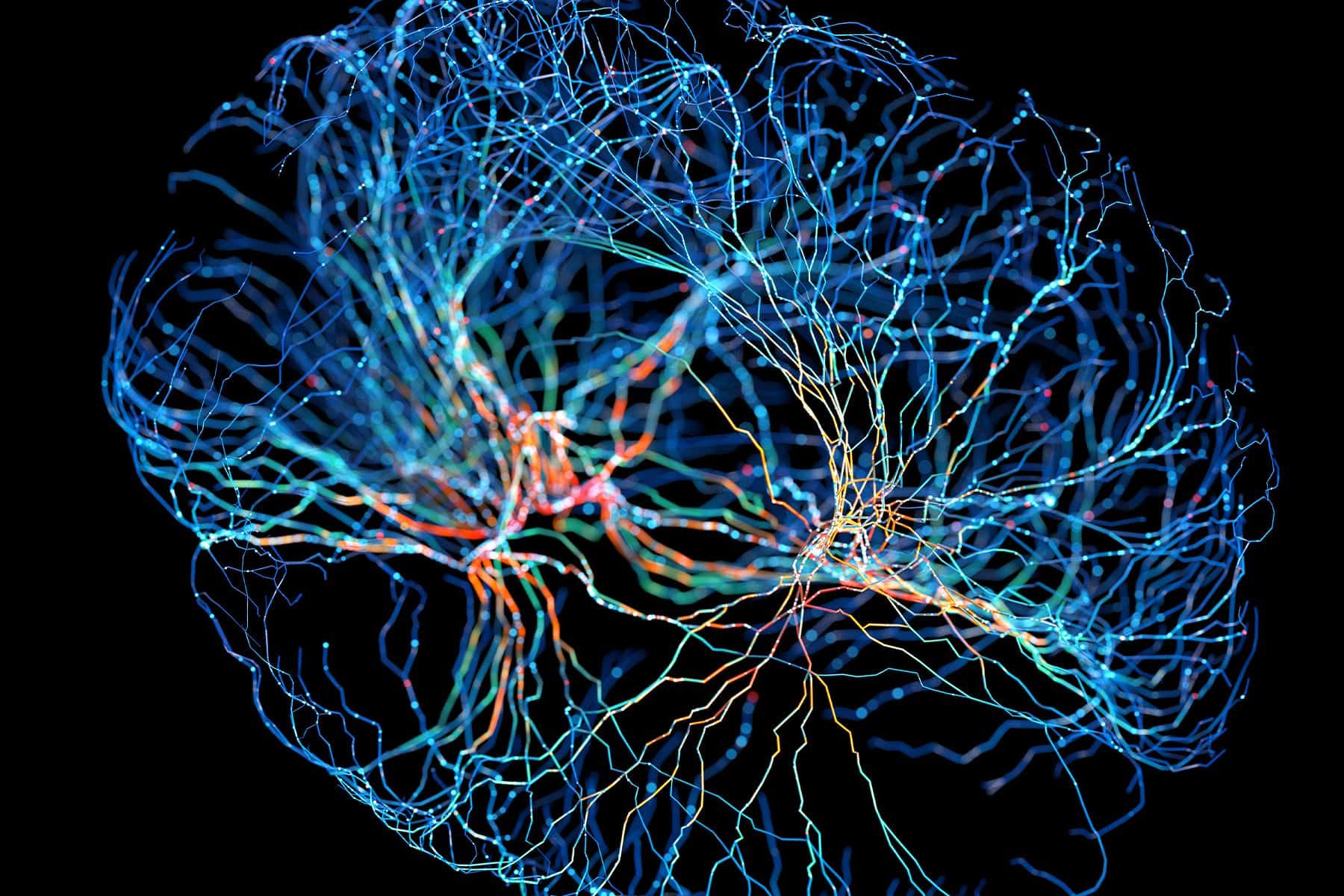
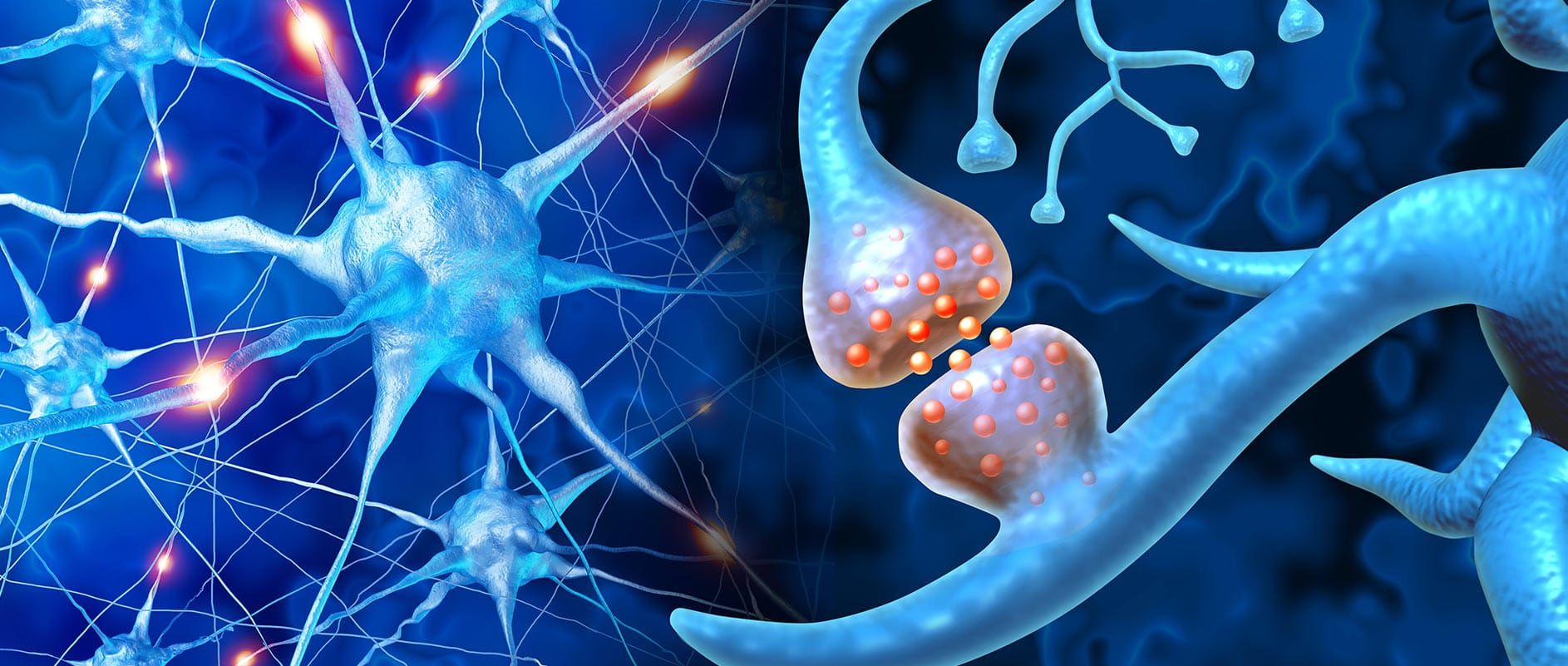
When you learn something new, your brain begins to adapt and becomes more flexible. This process is called neuroplasticity, and it's when your brain forms new connections between neurons.
I loved studying this at university: your neurons actually grow and attach to other neurons to form new cannals where the new information can travel.
When learning a language, those connections are strengthened and become more efficient. It's as if you were giving your brain a kind of “physical training” to make it easier to understand and produce new words, grammatical structures, and sounds.
These connections aren't limited to language; in fact, they also affect your overall cognitive abilities. You'll be quicker at solving problems and thinking creatively.
And if you've ever felt frustrated because you couldn't remember a word, please don't worry! It's just your brain getting in shape.
3. Increased memory
Did you know that learning a language can increase your memory capacity?
By constantly challenging your brain with new words, phrases, and grammar rules, your memory gets stronger. This process not only helps you with vocabulary, but also improves your long-term memory.
Plus, learning a language improves your working memory, which helps you retain more information in your day- to- day life.
It's as if your brain becomes a memory sponge, able to store and retrieve information faster.
3.
4. Some final ideas
Learning Spanish is both a skill and a brain transformation that affects many areas of your life. Your brain is amazing, and with every new word you learn, you're giving it more power!
So, if you're ready to challenge your brain and learn Spanish with someone who will guide you in a natural, fun, and pressure-free way, I'm here for you!

Nos vemos pronto,
Con Cariño,
Miss Rosa